
Fibre to the Home (FTTH) Benefits for Internet, Security, and Health
The following overview of Fibre to the Home (FTTH) technology, offers its benefits and comparison with wireless technologies, internet speed tests, related developments in Switzerland and how FTTH in Switzerland compares to other countries. To help reduce electro magnetic radiation (EMR) use FTTH where ever possible, Why? because FTTH is safer, faster, more reliable and far more secure.
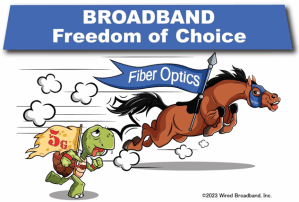
Fibre optics » Internet and Telecommunications data can be transmitted either through wires or through the air “wirelessly”. Wired transmissions are faster, safer, more reliable, and far more cyber secure and energy efficient than wireless transmissions. So in the best of all worlds, we would rely on wired transmissions for the vast majority of our Internet and Telecommunications needs, and reserve wireless for short communications when out-and-about. Unfortunately, that is not the infrastructure Telecom is designing for us… » … »But unlike wireless radiation which harms both humans and wildlife, fibre is safe for all beings.»

SafeG » means safe, fast, reliable, secure internet and telecommunications services brought into our homes and businesses by wired technology. It means technology that safeguards our health, privacy and security and that evolves over time with the goal of reducing exposure to harmful wireless radiation. »
Which Would You Choose?
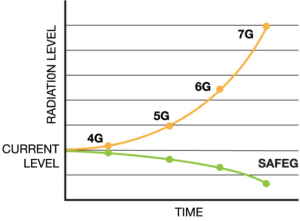
SafeG is About Choice
SafeG accepts the right of homeowners and businesses to decide for themselves whether to have wired or wireless networks on their premises without forcing that choice on others as the wireless industry wishes to do on all of us through 5G. This is because 5G-related antennas would be deployed closely spaced in our residential neighborhoods, parks, shopping districts, business districts and business parks without any of us having a say. Many of those antennas broadcast powerful wireless radiation into our homes and around our communities 24/7/365. And, we can never turn them off. (For more information about this issue, referred to as antenna densification, read 5G: Under the Hood. Hint: It’s mostly 4G antennas which are on all the time and now much closer to you.)
“After more than 30 years of development, optical fibre technology has improved to achieve state-of-the-art commercially available links capable of up to 50 Gbps rate (per wavelength/per fiber) over more than 20 km reach“. Source – Re-Inventing Wires: The Future of Landlines and Networks – May 2018
New Internet Speed World Record: 4.5 Million Times Faster Than Average Broadband – 07apr2024
- OKKLA – “Improving the Speedtest Global Index with Data on Median Speeds” – Nov2021
- Global comparisons Average Fixed Line Broadband speeds from speedtest.net/global-index – “Rankings on the Speedtest Global Index are now based on median download speed to best reflect the speeds a user is likely to achieve in a market.” 02Feb2022
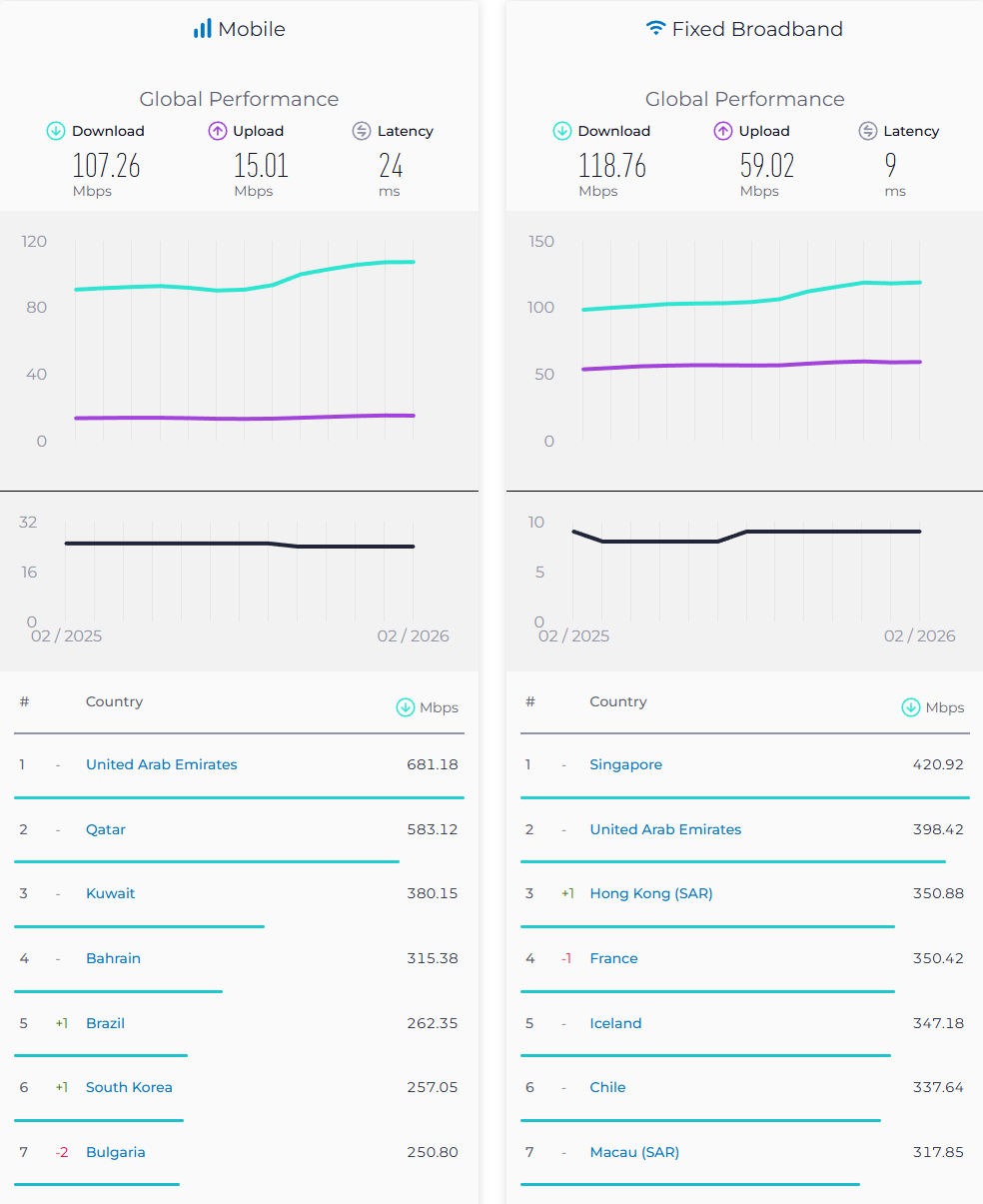
Internet median Speed tests Feb 2026
Global Country comparisons
Switzerland 38th Mobile 11th Fixed Broadband
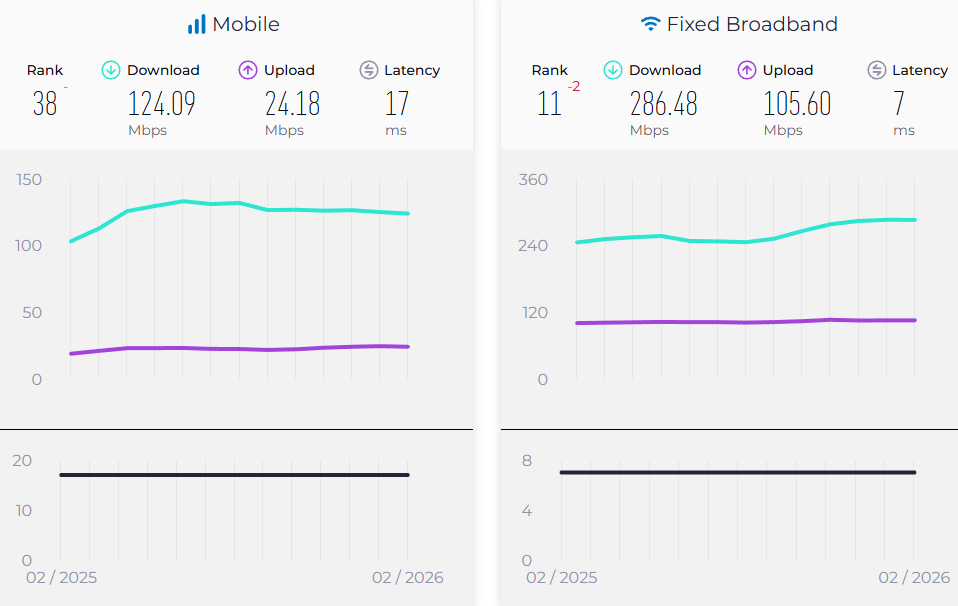
- Switzerland ranked 38th in the Global Mobile comparison
- Mobile average Down 124.09Mbps Up 24.18Mbps Latency 17ms
- Switzerland ranked 11th in the Global Fixed Broadband comparison
- Fixed Broadband average Down 286.48Mbps Up 105.60Mbps Latency 7ms
- This shows once again that Fixed Broadband is still faster than mobile….
Compare your own internet access speed results with Speedtest.net
- BAKOM/OFCOM/UFCOM – Déploiement de la fibre optique en Suisse – OFCOM – 20dec2024
- Verlegung der Glasfaser in der Schweiz – BAKOM 20dec2024
- Ampliamento della fibra ottica in Svizzera – UFCOM 20dec2024
- Deployment of optical fibre in Switzerland – OFCOM 20dec2024
- Scientists Set New Internet Speed World Record: 4.5 Million Times Faster Than Average Broadband – 07apr2024
- HEV Schweiz – Glasfaser – FTTH – 19mar2024
- Gemeinsames Glasfasernetz bringt schnelles Internet für alle – 15mar2024
- Eine halbe Million Glasfaseranschlüsse sind aufgeschaltet, aber keiner ist in Betrieb. Alles für die Katz? – 15mar2024
- Schnelles Internet – in der Schweiz immer noch Glückssache – 28feb2024
- Swisscom – Less copper, more fibre for Switzerland – 08feb2024
- Déploiement de la fibre optique dans les régions rurales. Attitude discutable de Swisscom – 02oct2023
- Glasfaseranschlüsse müssen zeitnah in Betrieb genommen werden können – 17sep2023
- Glasfaserausbau (FTTH) der Elektra Mümliswil-Ramiswil – 07feb2022
- Energieversorger bauen Glasfasernetz in der Agglo aus – 25jan2021
- Déploiement de la fibre optique en Suisse – OFCOM – 20dec2024
- “Pour permettre le développement des services et application proposés sur l’internet, la rapidité et la capacité du réseau doivent continuellement augmenter. La technologie actuelle ne suffira plus à long terme. Le déploiement de la fibre optique jusque dans les entreprises et dans les ménages doit permettre de relever le défi de la société de l’information de demain. Le terme “Fiber to the Home” (FTTH) désigne justement le réseau de télécommunication qui amène la fibre optique jusque dans les foyers ou les entreprises.” …..
Das PRIORIS projekt – Den Anschluss nicht verpassen. Dank schnellem Internet für alle. PRIORIS will Ultrahochbreitband-Internet in jeden Haushalt (FTTH) bringen und steht damit für ein regionales Zukunftsprojekt mit Modellcharakter. In der Region Luzern West gemeinsam umgesetzt – und von 22 Gemeinden getragen. 26sep2023
Glasfaser kurz erklärt
Fibre-to-the-home (FTTH) construction is currently being implemented in Switzerland using various technologies. The two better known ones are the point-to-point (P2P) model and the point-to-multipoint (P2MP) model, according to Swiss4net.
Point-to-point (P2P) FTTH compared to other fibre models
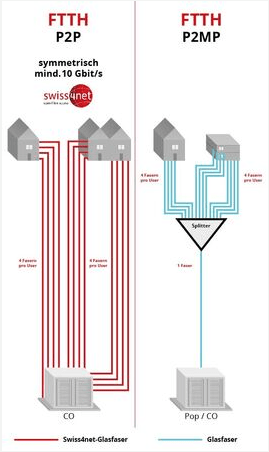
Not all fibre networks are the same. With point-to-point (P2P) FTTH fibre networks, the fibres are pulled directly into the residential or commercial unit. In contrast, other models such as FTTB, FTTS, FTTC continue to use copper or coaxial lines over the last mile and the connections are split into nodes.
A further distinction must be made between point-to-point and point-to-multipoint FTTH fibre networks. While end-users benefit from a dedicated fibre in a point-to-point (P2P) FTTH fibre network, in a point-to-multipoint (P2MP) FTTH fibre network, the fibre connection is shared by several parties. Only with a point-to-point (P2P) FTTH fibre network can it be ensured that users receive the maximum bandwidth at all times. Due to the dedicated fibre, the data and failure safety is also said to be much higher.
The pure point-to-point (P2P) model is said to be open in terms of technology for future FTTH developments and individual requirements of the providers. “Thanks to their own fibre-optic connections from the central office to the end customer, providers could select and implement their preferred technology themselves. Even the already popular XGS-PON (10 Gbps Symmetric Passive Optical Network) could be offered to end customers without restrictions via the P2P network”, according to Swiss4net.
The P2MP model has no continuous fibre from the central office to the end customers. A point-to-multipoint (P2MP) network carries only one fibre on the first section from the central office to the duct (in the street FTTS or in the building FTTB) and from this distribution point onwards the fibre is usually divided among 32 end customers by means of splitters. In addition, layer 1 access in P2MP is said to be restricted for telecom providers. A P2MP model may also be more susceptible to interference in the connections, as an entire P2MP tree (consisting of all 32 customers of a provider) is always affected, according to Swiss4net
Source – Swiss4net – Feb2023
For Example – Swiss4net offers Point-to-point (P2P) FTTH construction and projects in Ascona – Baden – Chiasso, (+ Vacallo, Morbio Inferiore, Balerna ) – Massagno – Morges – Pully – Siggenthal – Wettingen -feb2024
Swiss Fibre Net is another joint venture group which helps local and regional “energy providers” in Switzerland to provide Fibre to the home (FTTH) services. View their press releases to see which communes are being connected.
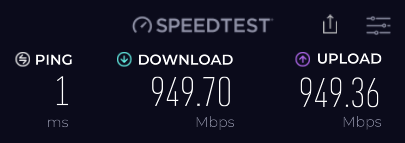
As you see from the above comparison between Mobile and FTTH, Fiber to the home is definitely faster in more ways than one.
And while we wait for FTTH to be installed in Le Vaud, some background info.
Swisscom has stated – « Fibre speed – Nothing’s faster: up to 1 Gbit/s. Unique: same download and upload speed. »… … » We offer ultra-fast broadband all over Switzerland: With a fibre optics connection you surf with symmetrical speeds of up to 1 Gbit/s for down- and uploading. With a copper connection you currently achieve speeds of up to 200 Mbit/s for downloading and 100 Mbit/s for uploading. In selected areas copper also offers up to 500 Mbit/s for downloading and 100 Mbit/s for uploading. » … Check if and when the fixed line Fibre Optic service is available to your location and your current internet speed.
Swisscom stated 05nov2019 » Currently only asymmetric speeds of max. 100 Mbit/s for downloading and 20 Mbit/s for uploading are possible on copper. In selected areas copper also offers up to 500 Mbit/s for downloading and 100 Mbit/s for uploading. »
Swisscom fibre-optics expansion map (stated 05nov2019) » By the end of 2021, we plan to expand the network with the latest fibre optic technology to all of Switzerland’s 2,212 communities. We invest more than CHF 1.6 billion every year in the network of the future to ensure that 90 percent of all people in Switzerland enjoy highspeed Internet. Refer to our map to find out when your community will be connected. »
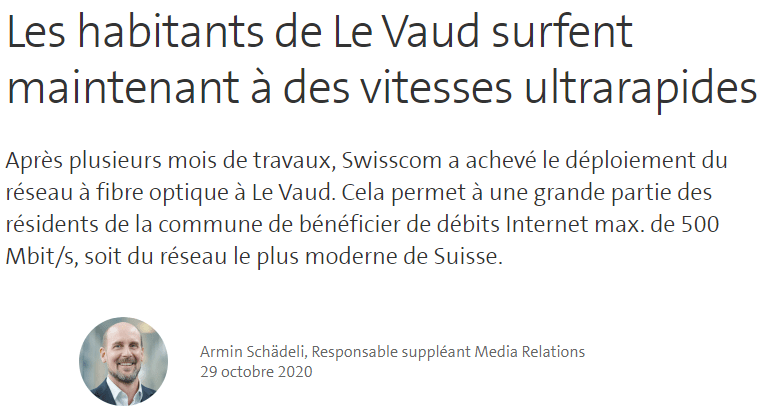
For example, in the commune of Le Vaud, Switzerland (status 02 Mar 2020) – »The expansion of the network is planned for 2020. It will offer speeds of at least 80Mbits/s up to 1 Gbits/s »
The expansion map for Le Vaud, Switzerland then stated (31Mar2020) – “Enjoy highspeed Internet of up to 500Mbits/s here from end of 2020 ” … ??
and for a nation-wide over view it stated ” Our network expansion focuses on a mix of the latest fibre optic technology and innovations such as G.fast, which hugely increases bandwidth on copper lines…”
” Fibre to the Home (FTTH) Nationwide fibre optics to the home, expansion primarily in cooperation, up to 10 Gbit/s starting spring 2020 “
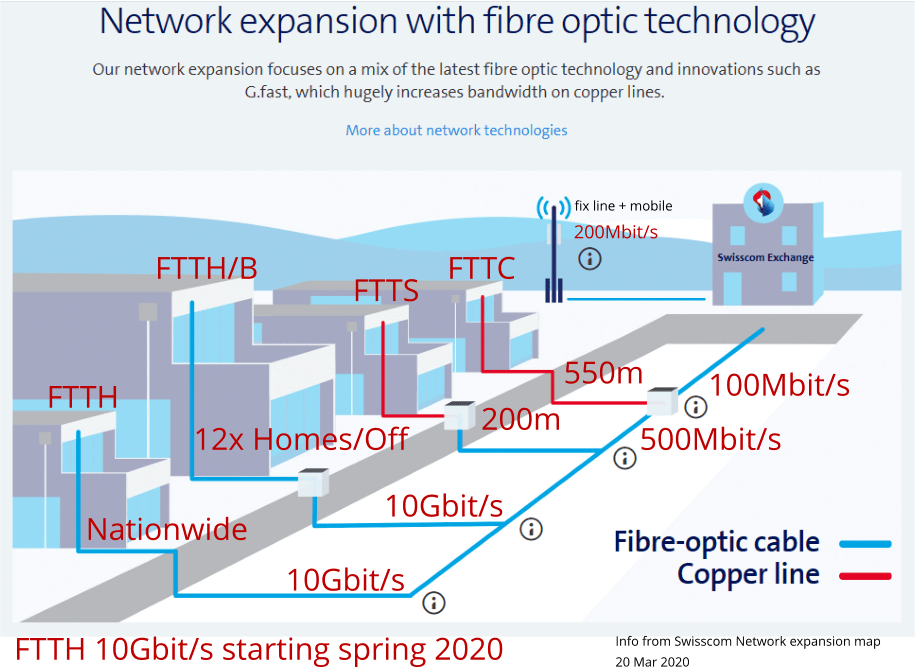
Swisscom during 2021 stated the following….
” Broadband expansion in the fixed network on course
As at the end of June 2021, Swisscom had connected over 4.6 million or 86% of homes and businesses in Switzerland to its ultra-fast broadband service (speeds in excess of 80 Mbps). Over 3.6 million or 68% of homes and offices benefit from fast connections with bandwidths exceeding 200 Mbps. Of these, more than 1.8 million have been upgraded to FTTH. Swisscom intends to make ultra-fast broadband available in every Swiss municipality by the end of 2021, even in remote locations.
It has also set itself an ambitious expansion target with its aspiration to offer all customers the best network in Switzerland everywhere and at all times. By the end of 2025, FTTH fibre-optic coverage is set to increase to up to 60%.” … Source – Half-year results for 2021: Swisscom


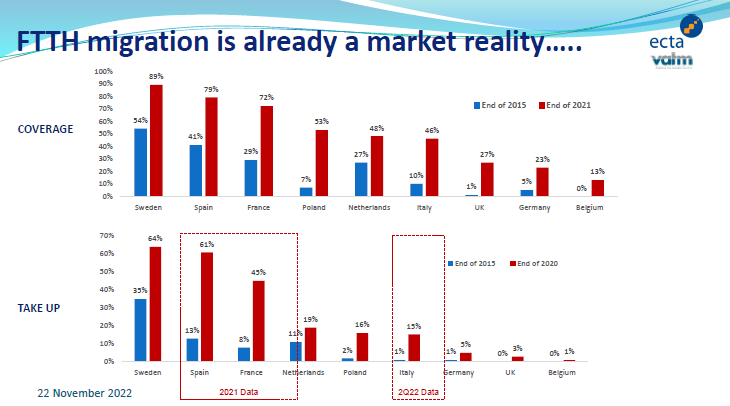
2023 Fibre connections in Switzerland as per ComCom (Federal Communications Commission)
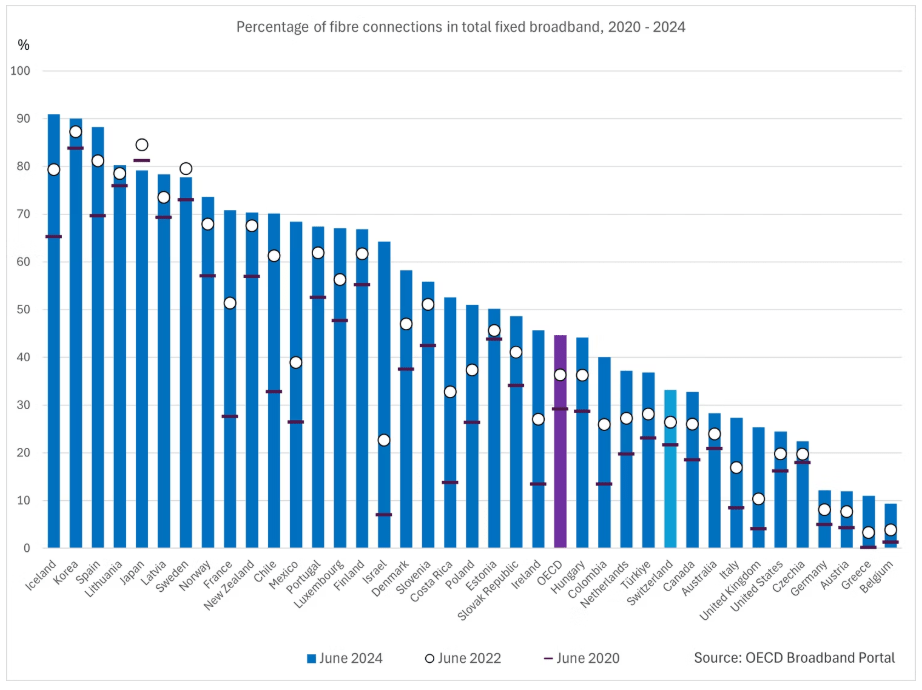
“…..Switzerland is not a world leader when it comes to fibre to the home (FTTH). But it has made up some ground over recent years: Switzerland now stands in the middle of the European field in terms of rollout and use of optical fibre connections“…. as per ComCom (Federal Communications Commission) – 14may2024
OECD Broadband Fibre 2020-2024
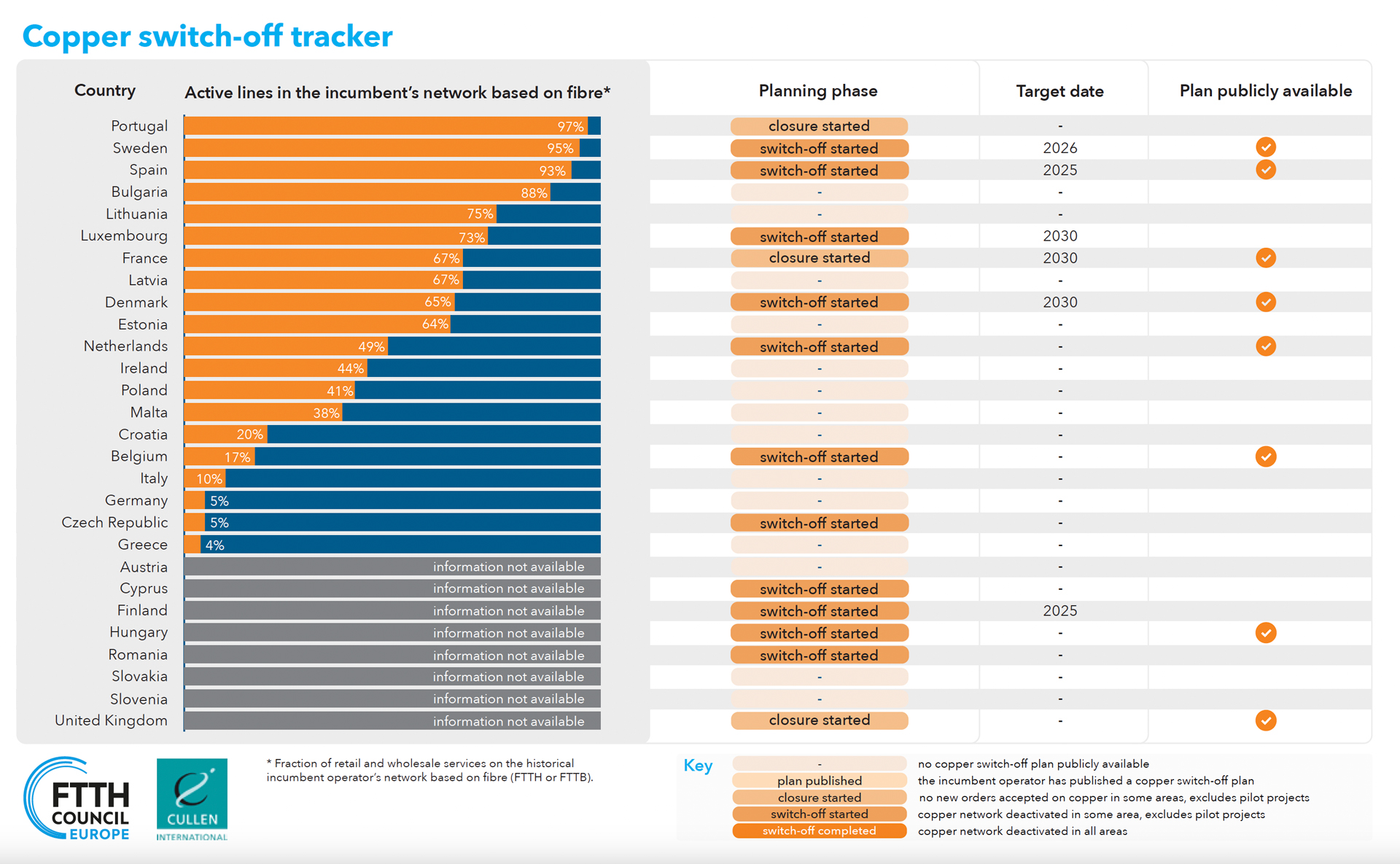
FTTH Council Europe – Copper Switch-Off Tracker – Decommissioning copper in the European Union and the United Kingdom. “This new study, carried out by Cullen International, provides a comprehensive analysis of the progress toward deactivating legacy copper networks in the EU27 + UK area. As one of the cornerstone of our policy priorities, we consider the Copper Switch-Off as a key driver for the expansion of FTTH networks, incentivising the adoption of full-fibre broadband infrastructure. This transition is critical to supporting Europe’s digital transformation and achieving a sustainable, high-performance connectivity ecosystem.” – “This asset is set to become a vital evidence base for policymakers, regulators, operators and investors as they grapple with the policy and market implications of transitioning from copper to fibre.” – 14jan2025
So what is the difference
between Cable vs DSL vs Fiber ?
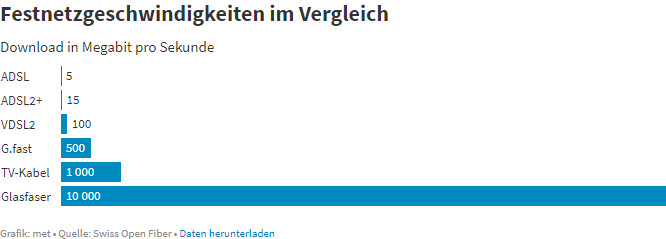
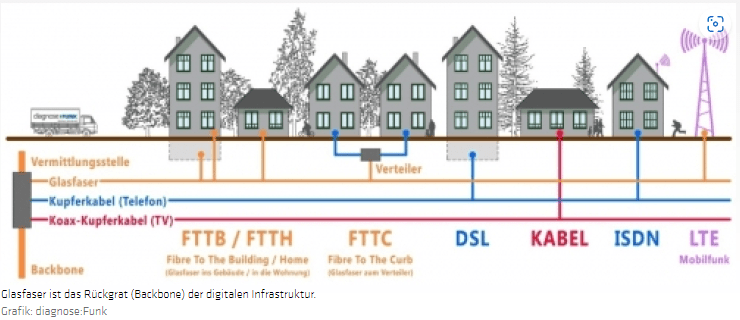
diagnose:funk Technik sinnvoll nutzen – Glasfaser bis zum Haus statt Strahlung – Zukunftsfähige Breitbandanschlüsse sind kabelgebunden
01 July 2022 – FTTH Council Europe – Accelerate fiber broadband monetization
In this webinar, organised by our Member Nokia, expert speakers discuss about best practices for how to offer, promote, drive adoption and, ultimately, accelerate monetization of fiber broadband.
Testing Swisscom Internet fixed line connection speeds within Le Vaud Switzerland they were only…
24 Sep 2019–Download max 33 Mbit/s Upload 10 Mbit/s (with the following comment) – Between March 2020 and June 2020 fibre technology will be rolled out in your area……..expected 225 Mbit/s download and 60Mbit/s upload.
02 Feb 2020-Download 85Mbit/s Upload 30Mbit/s (with the following comment) – Availability at the location is currently restricted. The actual speed may differ from the data specified above…… Between August 2020 and September 2020 fibre technology will be rolled out in your area…… with expected 225 Mbit/s download and 60 Mbit/s upload.
May June 2020 Fibre Optic cables (FTTS only) were being installed within the village of Le Vaud, Switzerland.
In this video Swisscom explains how Fixed Line Fibre Optic cables are installed resulting in a FTTS (fiber to street) service
July 2020 Finally… upgraded to the new FTTS (fiber to the street) service offering in Le Vaud, 30july2020, 200Mb/s Dwn 60Mb/s Up. Monitoring with Speedtest.net over the last few months (Dec2020) the new FTTS service appears to be stable and for the first time in decades we finally are obtaining advertised speeds…..
August 2020 Swisscom is now offering in some areas of Switzerland Broadband fixed line useing Fiber Optic cable (FTTH) with speeds “up to” 10Gbit/s Up/Dwn – 200Mbit/s Up/Dwn – 50Mbit/s Up/Dwn
October 2020 Swisscom announces – 50 Gbit/s on a fixed network connection …..…..” Swisscom has now achieved the next milestone in a real network environment in the access network by upgrading existing OLT (Optical Line Termination) hardware with a 50 Gbit/s PON (Passive Optical Network) Line Card prototype, enabling a download transmission speed of 50 Gbit/s and an upload transmission speed of 25 Gbit/s on a fixed network connection “….. see the video
December 2020 – Swisscom stated in a press release 17Dec2020 “Doubling FTTH connections to 3 million by 2025. Growth in data traffic is unbridled in Switzerland. An efficient network infrastructure is fundamental for a society and economy that wishes to exploit the opportunities of the digital age. Swisscom aims to double its FTTH coverage by the end of 2025: 50-60% of all homes and offices will be able to use a bandwidth up to 10 Gbps by then. Besides, modernisation of the existing FTTS (fibre-to-the-street) network is continuing. As a result, by the end of 2025 an additional 30–40% of homes and offices will have bandwidths of 300–500 Mbps.“
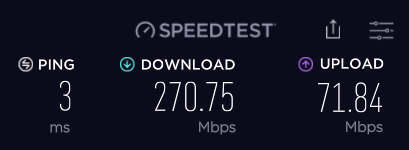
July 2022 – Swisscom, Sepp Huber stated 11July2022. “As early as 2020, Swisscom was the first telecommunications company in the world to test 50G PON fibre-optic technology in the laboratory. The technology has now been successfully put into operation for testing purposes in the live network of a Swiss municipality – another world first.” …. “The theoretically possible bandwidth of up to 50 Gbit/s is not the primary benefit of 50G PON fibre-optic technology – after all, today’s fibre technologies offer sufficient capacity for many years to come” …… “Swisscom plans to introduce the technology by 2025 at the latest. The network architecture is no cause for concern as PON technologies can be used in both point-to-point and point-to-multipoint networks…..”
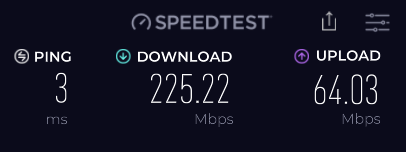
- From the above, as of August 2020 Swisscom can and is offering 10GB/s download speeds over “fibre to the home” FTTH within Switzerland. Not to mention the proclaimed 50Gbit/s – 25Gbit/s
So why only offer FTTS at 500Mbit/s for Le Vaud ?
- During spring 2020 Swisscom installed FTTS (fiber to the street) not FTTH (fibre to the house) as requested
- Because FTTS still uses the older copper telephone lines for the last few meters. Speed limitations are subject to the length of the copper line used and its phyisical properties… which ususally max out at ca 200Mbits/s.
- Swisscom has also been installing a technology called “G-Fast” over exisiting copper lines, which may increase download speeds up to 500Mbits/s. However G.fast speeds rapidly diminish with distance (max 500meters).
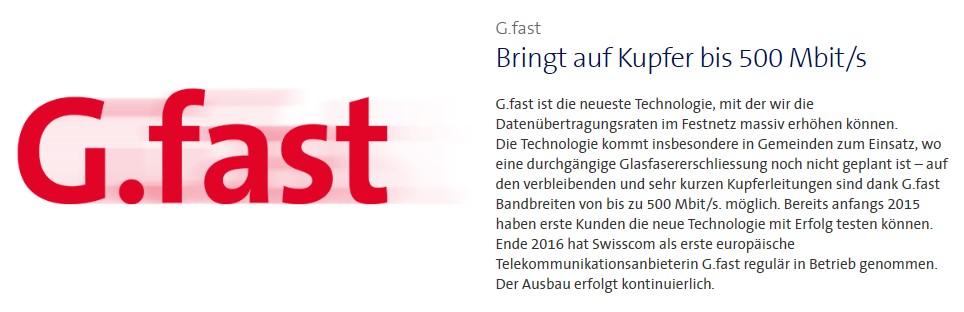
- The Swisscom expansion map (status 20Mar2020) “Fibre to the Home (FTTH) Nationwide fibre optics to the home, expansion primarily in cooperation, up to 10 Gbit/s starting spring 2020“
Why not install / upgrade to FTTH (Fiber to the Home) right from the start ? Its Safer Its more Secure and Its Faster, as mentioned in the above video, FTTH is built for the future.…
- Our association “Le Vaud sans antennes” submitted an additional Petition for FTTH (Fibre to the Home) signed by 388 inhabitants to the commune on the 28feb2020.
- We continue collecting signatures. You can download and sign this FTTH (Fiber to the Home) Petition form and send it to Le Vaud sans Antennes, case postale 11, 1261 Le Vaud, Switzerland
Below are two interesting quotes from the Hauseigentümerverband (HEV-Schweiz)
Updated new agreement as of 01 Feb 2024 see – HEV Schweiz – Glasfaser – FTTH
HEV Schweiz mit Swisscom auf Musterverträge geeinigt….bereits im Jahe 2010….
quote….
Glasfaser
” Im Bereich Glasfasererschliessung hat sich der HEV Schweiz mit Swisscom auf Musterverträge geeinigt. Die Verträge betreffen die Erschliessung bis in die Wohnung (FTTH) oder die Erschliessung bis zum Keller unter anschliessender Verwendung der bestehenden Kupferkabel (FTTB). Welcher Vertrag zur Anwendung kommt, ist abhängig davon, welche Glasfasertechnologie (FTTH/FTTB) der Eigentümer wählt, ob es sich um einen Neubau oder um ein bestehendes Gebäude handelt und ob die Erschliessung während oder nach dem Rollout erfolgt.
Bereits im Jahr 2010 hat der HEV Schweiz sich mit Swisscom und der Telecom-Branche auf einen Mustervertrag zur Glasfasererschliessung bis in die Wohnung (fiber to the home, FTTH) bei bestehenden Bauten geeinigt. Swisscom finanziert sowohl die Gebäudeerschliessung mit Glasfaser wie auch die Erschliessung der sog. Steigzone, das heisst bis in die Wohnung. Dabei werden vier Fasern verlegt, wovon zwei von anderen Anbietern genutzt werden können. Dieser Vertrag gilt auch für die Kooperationen und ist nach wie vor in Kraft. Das kostenlose Angebot für die Immobilieneigentümer gilt jedoch nur während des Rollouts.
Nun hat sich der HEV Schweiz mit Swisscom auf zwei weitere Musterverträge für die FTTH-Erschliessung von Neubauten und bestehende Gebäude nach dem Rollout sowie die FTTB-Erschliessung geeinigt. Diese Verträge werden von Swisscom seit dem 1. März 2018 verwendet.
Updated new agreement as of 01 Feb 2024 see – HEV Schweiz – Glasfaser – FTTH
Beim FTTH-Vertrag für Neubauten und bestehende Gebäude nach dem Rollout erfolgt die Erschliessung bis in die Wohnung ebenfalls mit vier Fasern.
FTTB (fibre to the building) heisst, dass bei Liegenschaften ab zwölf Nutzungseinheiten die Glasfaser bis zum Keller gezogen wird. Für die verbleibende Strecke werden die bestehenden Kupferkabel verwendet. Eine Erschliessung der Steigzone entfällt.
Neu wurden Anpassungen hinsichtlich Wiederherstellungspflicht, Zutritt der Techniker, Durchleitungsrechte, Vertragsdauer, Kündigungsmodalitäten und Datenschutz vorgenommen. Swisscom und der Eigentümer tragen die Kosten der Erschliessung. Zu beachten gilt, dass diese beiden neu ausgehandelten Verträge nur für Swisscom gelten, nicht für die Kooperationen. “
….end quote
Source – hev-schweiz.ch – Glasfaser
Updated new agreement as of 01 Feb 2024 see – HEV Schweiz – Glasfaser – FTTH
Ausbau neuer Glasfasertechnologien….
quote…..
Verschiedene Glasfasertechnologien
” Unterschiedliche Glasfasertechnologien erlauben es Swisscom, beim Ausbau des Netzes auf die regionalen Gegebenheiten einzugehen. Eines haben alle Technologien gemeinsam – sie basieren auf Glasfasern. Eine Übersicht:
” 1 – Fibre to the Home (FTTH) Die Glasfasern werden bis zur Steckdose in der Wohnung gezogen. Mit dieser Technologie ist heute eine maximale Bandbreite von 1000 Mbit / s möglich. Der Ausbau dieser Technologie erfolgt in der Regel in Zusammenarbeit mit einem lokalen Kooperationspartner – in Zürich beispielsweise mit der EWZ. Um die Installation auszuführen, benötigt Swisscom Zugang bis zur Steckdose in der Wohnung oder dem Geschäft. Dafür wird zwischen dem Eigentümer und Swisscom oder dem Kooperationspartner ein Vertrag abgeschlossen, der zwischen dem HEV Schweiz und der Branche ausgehandelt wurde (HEV-Mustervertrag). Der HEV-Mustervertrag gilt nur für die Erschliessung bestehender Bauten und nicht für Neubauten. Bei Neubauten kommt Swisscom oder einer der Kooperationspartner für die Gebäudeerschliessungskosten auf. Die Kosten für die sogenannte Steigzonenerschliessung (vertikale Erschliessung innerhalb des Gebäudes) hat der Eigentümer zu übernehmen. Handelt es sich um die Ersterschliessung einer bestehenden Baute, werden die Kosten der gesamten Erschliessung von Swisscom oder einem der Kooperationspartner getragen. Entscheidet sich der Eigentümer gegen die Ersterschliessung, trägt dieser die Erschliessungskosten zu einem späteren Zeitpunkt selbst… “
…end quote
Source – hev-schweiz.ch – Ausbau neuer glasfasertechnologien
Updated new agreement as of 01 Feb 2024 see – HEV Schweiz – Glasfaser – FTTH
There is a HUGE difference between, what is sold and what you actually get…
When requesting further information, from service providers, as to why there is such a HUGE difference…. among the answers…. its the number of users online…. to….its your old copper line….or….its your overhead line….to… its your phone…..or….its your PC… and the most common answer…..its “UP TO” the sold speeds…… so you can only expect from basically a few Mbits/s “UP TO…..??
Monitoring the new FTTS (fiber to the street) service in Le Vaud (Switzerland) with Speedtest.net over the last few months (Dec2020) it appears to be stable and for the first time in decades finally obtaining advertised speeds.
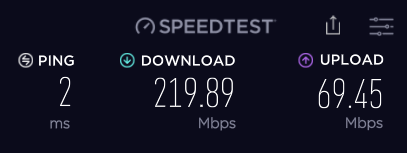
During May 2021 Swisscom upgraded existing Fixed Line Broadband FTTS subscriptions in Le Vaud to download speeds of 300Mbps. These speeds on average only lasted untill Sep 2021
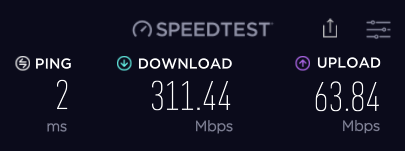
Sadly observing speed tests over the last few months a consistent reduction has been noted in Le Vaud Switzerland
Speed performance in Le Vaud remain lower than the 500Mbs or 300Mbs telecoms promised… so why is this line being slowly restricted ?

During late summer of 2025 a small portion of our village needed its underground electrical line feeds replaced due to the increasing number of solar panel installs and the ageing electrical system, Sooo it was also a very good opportunity to upgrade the Telecom connections from FTTS (fibre and copper line) to the full fibre FTTH (Fibre to the Home)
Not every install of fibre optic cable needs to be underground. Using traditional telephone poles for overhead installs are also possible as can be seen in this video.
27sep2024 – How I hung 1/3 mile of Fiber Optic Cable to Shop
In this drop video we cover a quick little aerial and a much longer one spanning over 7 poles, including a fibre fusion splice and a conduit pull into a shop.
17aug2022 – How Fiber Will Speed Up America’s Internet
Fiber connections provide users with very fast, reliable internet. But, only 43% of U.S. households have access to a fiber internet connection. The Bipartisan Infrastructure Law that passed in November 2021 promises to bridge this digital divide, with $65 billion dedicated to expanding access to broadband internet to all Americans.
Such government support, along with a number of other factors, have caused a spike in the demand for fiber products. CNBC visited Corning, the world’s largest manufacturer of optical fiber and North America’s largest producer of fiber optic cables to understand the technology behind fiber-optic internet and how the market for fiber products is changing.
Fiber-based networks make up the majority of the internet’s backbone. Fiber-optic subsea cables spanning thousands of miles connect continents together, exchanging data at nearly the speed of light. Meanwhile, the massive data centers that host all of our cloud-based applications also rely on fiber connections. Increasingly, these fiber connections are making their way directly into peoples’ homes, providing them with fast, reliable internet.
05july2022 – Fiber First LA County Promo Video
Why should underserved communities in Los Angeles (or any where else for that matter) settle for wireless broadband when everyone deserves fiberoptic?
A video from the non-profit community group Fiber First Los Angeles County. Learn more at www.FiberFirstLA.org.
08sep2019 – Trialogue with Camilla Rees, Tim Schoechle and Jim Turner About the Themes in “Re-Inventing Wires”
“Fiber to the Premises” improves
- Speed of Internet access
- Net neutrality and Internet access
- Quality of voice communications
- Reliability
- Energy use and efficiency
- Resilience and extreme weather events
- Value for the money to all users
- Safety and Cyber Security
- Personal Privacy
- Public Health
- The biological ecosystem
- Landline wphone access when the power goes out
- The integrity of the communication system as a whole which has become hijacked by commercial motivation a riddled with planned obsolescence and unnecessary future costs for all
Advanced Copper and Optical Fiber are Far Superior to Wireless in Both Cost and Performance.
“After more than 30 years of development, optical fiber technology has improved to achieve state-of-the-art commercially available links capable of up to 50 Gbps rate (per wavelength/per fiber) over more than 20 km reach”. Source – Re-Inventing Wires: The Future of Landlines and Networks – May 2018
21feb2012 – Living with FTTH
A Swedish film editor tells his story of how FTTH-enabled applications and services have brought multiple benefits to his work and family life.
