
An Advisory and Toolkit on how to protect children and youth
Harmful screen use among children and adolescents has become a public health concern. With support from schools, communities, and governments, together we can shift the cultural norms around screens and help our children be healthier and happier nationwide.
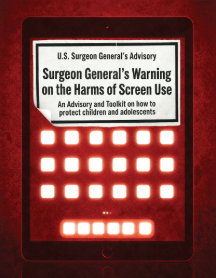
Extracts from the Advisory
Letter from the Secretary
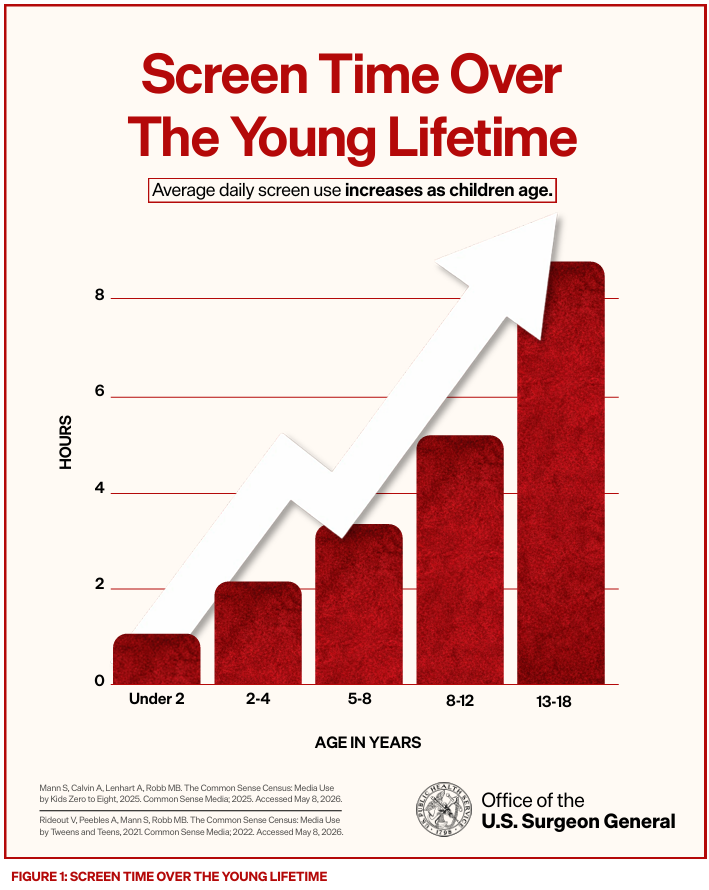
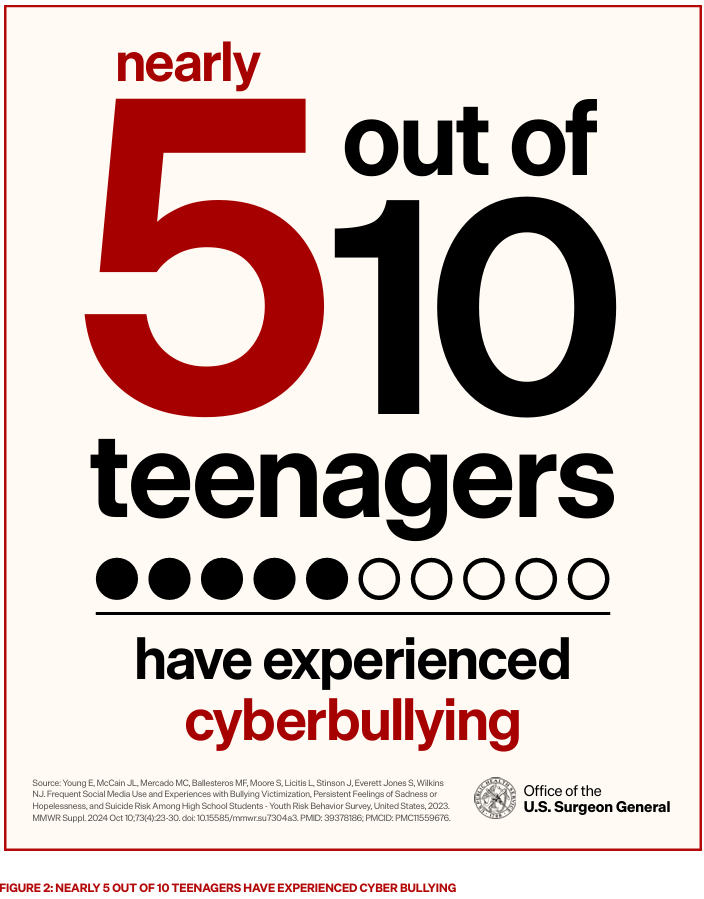
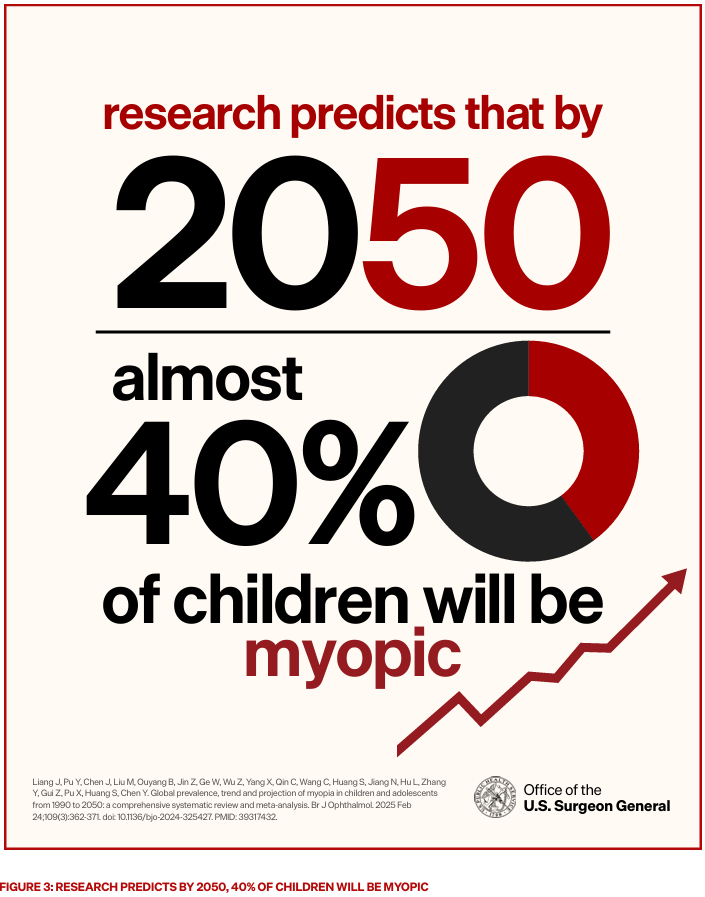
While screen use can have some benefits, the evidence of a range of risks to children’s overall mental and physical health is mounting. These negative outcomes are related to harmful use, including use by children with vulnerable medical conditions, along with the ubiquity of devices and features deliberately built into many tech platforms to promote “engagement,” a positive sounding word that, for too many young people, is a path to addiction-like behavior.
Social media is only one aspect of this ongoing screen time problem. Behavior patterns involving gaming, online gambling, and other forms of virtual interaction are emerging. While this report uses “screen time” as a widely understood shorthand, we want people to understand that we are referring to the entire digital ecosystem of apps, smartphones, tablets, chatbots, and other screen-associated devices and interfaces.
From the individual and family up to governmental policy, there is recognition that young children, tweens, teens, and families need help to curb overuse of screens. Drawing on a broad range of expertise, this Advisory outlines everyday actions that can be taken, as well as what schools and states are already doing to limit screen time during school hours.
For this Advisory, which focuses on children and adolescents aged 0-18 years, we engaged a wide range of experts, including psychologists, pediatricians, behavioral scientists, academic researchers, and health communicators. We gratefully acknowledge the important contributions of each of these scientists, clinicians, reviewers, and leaders to this Advisory.
This report is evidence based, but also forward-looking and action oriented. While we describe knowledge gaps where focused research is needed, it is a basic principle of public health, the precautionary principle that
action cannot wait until all
evidence is available.
There are children, adolescents, families, schools, and communities who have found a different path and have built healthy relationships with — and without — technology. They gather for game nights, read books, sing, and play sports. They volunteer in their communities and participate in faith groups. Along with their families, they spend time at playgrounds, libraries, and community centers. They build lasting friendships, which we now know contribute to longer and healthier lives. We have sought to learn from them and want to keep doing so. We should all strive as a nation to expand access to these types of activities, be they financial or neighborhood safety related.
This Advisory is not only a warning, but also an invitation for all of us to enjoy a broader world, beyond the confines of screens. Join us as we seek to scroll less and live best. Let’s turn our screens off and our brains and bodies on, so that we can live real life.
Robert F. Kennedy, Jr.
26th Secretary of the United States
U.S. Department of Health and Human Services
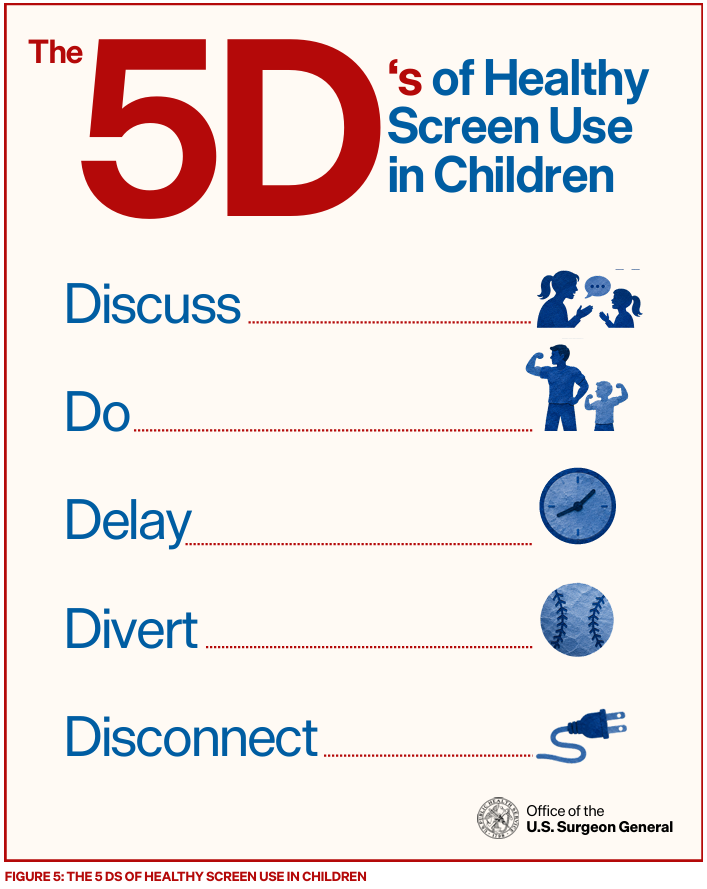
What We Can Do
There is a substantial and growing body of research on child and adolescent screen use. Although the evidence continues to evolve, there is increasing recognition that certain kinds of screens and patterns of screen use can pose real harm to children. Because technology is now embedded in daily life and is not going away,
we cannot wait for every question
to be settled before acting.
Source – U.S Department of Health and Human Services (HHS)- Surgeon General – Report and Publication – The Harms of Screen Use
Environmental Health Trust (EHT) applauds the U.S. Surgeon General’s decision to release an advisory and toolkit on how to mitigate the harms caused to our children and youth by screen usage and addiction.
EHT has long warned about the harms of excessive screen usage, notably in its August 2025 petition filed before the Federal Communications Commission (FCC) seeking FCC and FDA compliance with a 2021 federal court order in EHT et al v FCC et al. EHT further underscored those concerns in a petition for Writ of Mandamus, filed this week in federal court asking the court to compel FCC and FDA compliance with the 2021 ruling.
As noted in recent EHT reports on screen addiction cases, screen addiction to wireless devices also increases harmful exposure to wireless radiation.
