
CircleID reporter 26june2026.
Spain will require telecommunications operators to keep mobile networks running for up to four hours during electricity outages under a new Royal Decree on the security and resilience of electronic communications and digital infrastructure, the government has announced. The measure is expected to be approved before the end of 2026 and will be introduced in stages.
Phased rollout: The new rules will require operators to install backup batteries capable of maintaining mobile coverage for 50% of the population in the first year after the decree takes effect, rising to 65% in the second year and 75% by the third. The phased approach is intended to give operators time to invest while improving the resilience of critical communications.
The decree also introduces stricter standards for telecommunications infrastructure. Regional management centres will need sufficient backup power to remain operational for at least 12 hours, while the most critical national control centres must be able to function for 24 hours without grid electricity.
Emergency communications are a central focus of the reforms. Operators serving Spain’s 112 emergency system will be required to submit security and resilience plans and adopt network redundancy measures, enabling emergency call centres to maintain service even if one network or technology fails.
Broader scope: The regulations will apply to telecoms operators and major digital infrastructure providers—including certain data centres, submarine cable operators, satellite systems and internet exchange points—meeting specified size thresholds or designated as critical service providers. National security and defence networks are excluded.
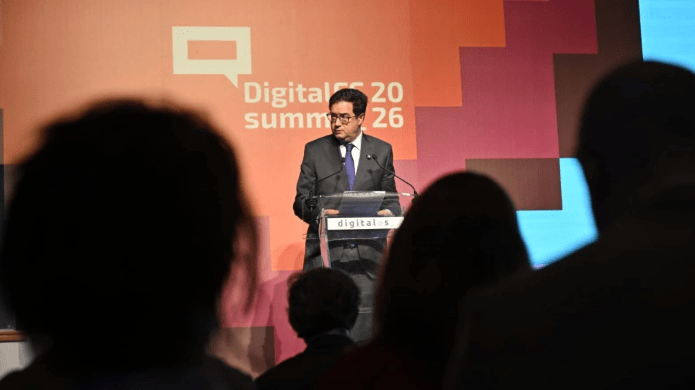
Digital Transformation Minister Óscar López described the initiative as a new “digital right” and framed it as part of Spain’s broader strategy to strengthen technological sovereignty through investment in resilient digital infrastructure, artificial intelligence and advanced technologies.
Source – Spain to Require Four Hours of Mobile Service During Power Blackouts
LVsA note
Question – How many mobile phone antenna base stations are there in Spain? – approx 70,000
Perplexity AI 16july2026 – “Spain has on the order of 60,000–70,000 mobile phone antenna base stations, based on official open-data derived maps and applications. – One government open-data based source lists around 69,000 stations with an indicative breakdown by operator: Yoigo 4,964, Vodafone 24,067, Orange 14,898, Movistar 18,956, Euskaltel and others 85. – published totals should be treated as approximate rather than exact”
Switzerland has approx only 25,000 4G-5G mobile phone base stations, according to Gigaherz’s report on a similar government-requested project – Notstrom für Funknetze.
In summary, current base station installations run dry after ca. 30 min, and adding additional batteries for the initial requested 72-hour safeguard would have required 1,750,000 tons of batteries over the 10-year plan plus a lifecycle replacement of 175,000 tons every year. Not to mention the additional onsite emergency backup petrol or diesel generators. Although the request was later lowered to just 4 hours, this would still require at best 97,000 tons of batteries. Which leads to another environmental impact issue: How and Who will be responsible for the safe disposal and recycling all these batteries?. And what about the 40,000 additional base stations estimated for 6G ?
